
bell peppers (भडे खुर्सानी)
About bell peppers (भडे खुर्सानी)


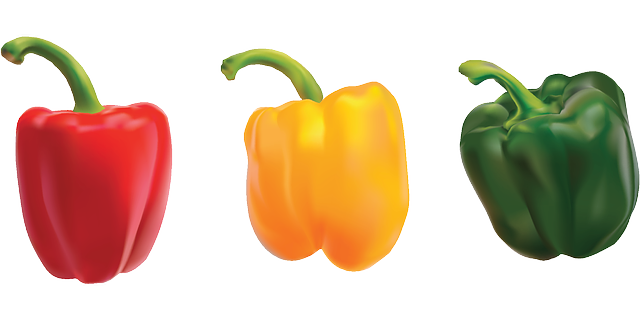
Bell peppers, also known as capsicums or sweet peppers, are becoming increasingly popular in Nepal, both in urban and rural areas. Their vibrant colors and mild flavor make them a versatile addition to Nepali cuisine. They are often used in stir-fries, curries, salads, and pickles, adding a touch of sweetness and crunch. Due to increasing awareness of health benefits, and their adaptability to various cooking methods, bell peppers are now commonly found in vegetable markets across the country. While they may not be a staple crop in traditional Nepali agriculture, their cultivation is gradually expanding. The introduction of new farming techniques in Nepal, including greenhouses, have enabled farmers to grow these peppers even during off-seasons making them a consistent part of Nepal's food culture.
Nutritional info
These are the major micro nutrients found in bell peppers
Seasonality
In Nepal, bell peppers have two main growing seasons. The primary season is during the spring (late February-May) and the secondary season in the late summer and early autumn (August-October). However, with the use of greenhouses and modern farming techniques, it is possible to grow bell peppers year-round, making them relatively accessible at most times of the year. The peak availability tends to coincide with the main seasons, during which they are fresher and cheaper.
History
Bell peppers are not indigenous to Nepal. Their history in Nepal is relatively recent, tracing back to the introduction of various non-native crops and vegetables over the past few decades. They likely came into Nepal through cross-border trade with India and other neighboring countries. Initially seen as an exotic crop, their cultivation was limited and mostly in urban or peri-urban farming settings. As farming practices modernized and awareness of diverse crops spread, bell pepper cultivation became more widespread. There isn't a documented history detailing the introduction with precise timelines, it's more of a gradual adoption story driven by culinary and agricultural trends.