
cabbage (बन्दा)
About cabbage (बन्दा)


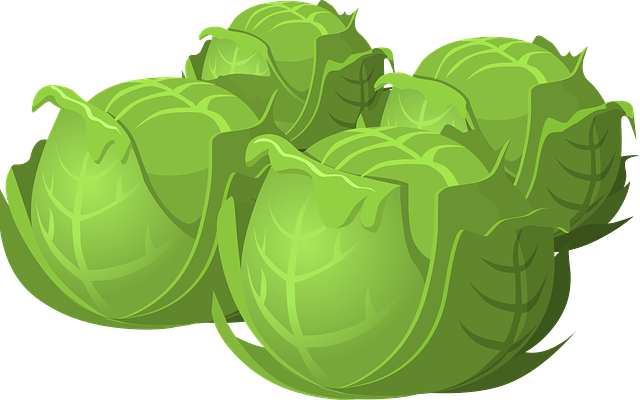
Cabbage (Banda in Nepali) is a popular and widely cultivated vegetable in Nepal, enjoyed by people across various regions and ethnic backgrounds. It's a staple in many Nepali kitchens, appreciated for its affordability, versatility, and nutritional value. Cabbage is incorporated into everyday meals in diverse forms, from simple stir-fries (tarkari) to savory pickles (achar) and hearty soups. Its availability throughout the year, although seasonal variations exist, contributes to its consistent presence in Nepali cuisine. It is a crucial ingredient and provides important nutrients to the people of Nepal.
Nutritional info
These are the major micro nutrients found in cabbage
Seasonality
Cabbage can be cultivated in Nepal throughout the year, but it exhibits peak season in the cooler months, particularly during late autumn (late October-November), winter (December-February), and early spring (March-April). During these periods, the quality of cabbage tends to be higher, resulting in a more tender and flavorful yield. Farmers plant cabbage at different times to ensure a continuous supply, so it's often available even outside of these peak months. However, the quality and availability might slightly differ depending on the location and time of year.
History
While cabbage isn't native to Nepal, its cultivation was introduced over time, becoming integrated into the Nepali agricultural landscape. The exact timeline of its introduction remains unclear, but it's likely that cabbage was brought to Nepal through trade routes and migration patterns, possibly via India. Over the decades, the cultivation of cabbage has become widespread, adapting to different altitudes and climates found within Nepal. It has evolved from a foreign crop to an integral part of the Nepali diet. The accessibility and affordability made it more common among rural communities, contributing to its role as a staple vegetable.