
camel milk (उँटको दूध)
About camel milk (उँटको दूध)


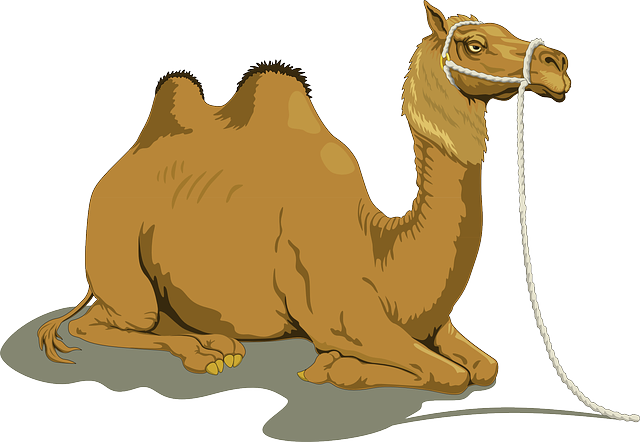
Camel milk is not a traditional or widely consumed food in Nepal. The primary source of milk in Nepal is from cows, buffalos, and goats. Camel farming is not prevalent due to Nepal's topography and climate, which is not conducive for camel husbandry. Therefore, camel milk is not part of the typical Nepali diet or culinary tradition. It's primarily consumed in arid and semi-arid regions and is not readily available or popular in Nepal. Any availability in Nepal would likely be in urban areas through imported products, and would not be a staple food for the general population. It's more of a novelty or niche product within specific communities with exposure to global food markets, not part of the traditional Nepali food landscape. Given the limited availability, it does not hold a traditional value or wide cultural usage. The focus remains heavily on traditional dairy products from locally raised animals.
Nutritional info
These are the major micro nutrients found in camel milk
Seasonality
Given that camel milk is not produced in Nepal, there is no seasonality associated with its consumption. It is primarily available as an imported product and its availability would be governed by import logistics rather than local agricultural cycles. Since it's not a product of the local agriculture, it does not follow the typical Nepali seasonal food patterns.
History
Given the absence of camel farming and consumption within Nepal, there is no history of camel milk being used in Nepali culture or tradition. Traditional animal husbandry practices in Nepal have primarily focused on cattle, buffalo, goats, and yaks, depending on the geographical regions. Consequently, there's no recorded historical usage or cultural significance of camel milk within Nepali history or folklore. Any consumption of camel milk within Nepal would be a very recent occurrence due to modern food imports and global exposure, with no roots in the country's historical context. This is different from regions where camels have been a vital part of life for millennia, where camel milk holds historical significance.