
cassava (कसार)
About cassava (कसार)


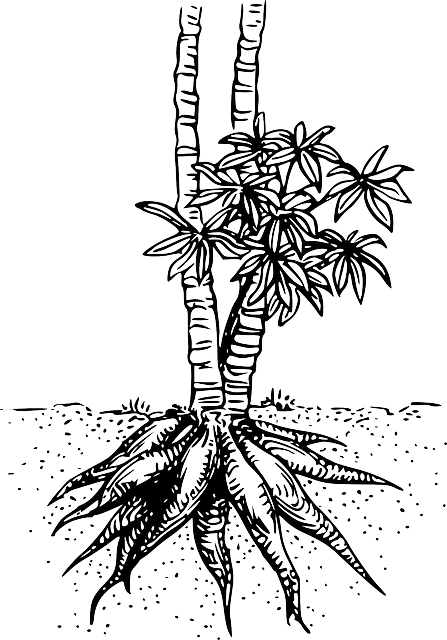
While not as widespread as rice or maize, cassava, known locally as 'Simal Tarul', is cultivated and consumed in some parts of Nepal, particularly in the Terai region. It is often grown in homestead gardens or small plots, providing a source of carbohydrates for the local communities. Though not a staple across the nation, it plays a role in the diet of some Nepali communities, especially in regions with suitable climatic conditions for its growth. It's gaining popularity in some regions due to its drought resistance and versatility.
Nutritional info
These are the major micro nutrients found in cassava
Seasonality
Cassava in Nepal is typically harvested during the cooler dry season in the plains around October/November to February/March. The exact timing can depend on specific location and local microclimate conditions. Unlike some crops, cassava can remain in the ground for an extended period before harvest, offering some flexibility in its availability, however, best taste and texture is seen if it harvested during dry season
History
The history of cassava in Nepal isn't as extensively documented as other staple crops like rice or maize. Cassava was not traditionally cultivated in Nepal but introduced probably as a tuber crop in the plains of Nepal near the Indian border. It's likely that cassava arrived in Nepal through migration and trade from the South and South East Asian countries where it is a primary food source. Over the decades it has become integrated into local food systems in some parts of the country, particularly in Terai region where warm temperatures and suitable soil allow its cultivation. As a relatively drought-tolerant crop, it could become increasingly important for food security in the future for Nepal.