
coriander leaves (धनियाको साग)
About coriander leaves (धनियाको साग)


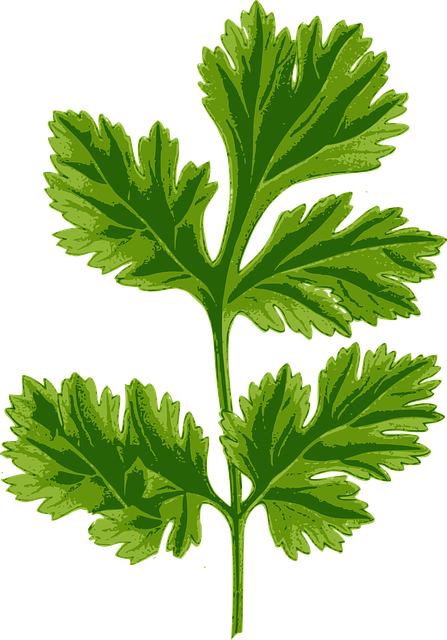
Coriander leaves, known as 'dhaniya' in Nepali, are a staple herb in Nepali cuisine. They are widely used to add fresh flavor and aroma to a variety of dishes, from simple lentils and vegetable curries to more elaborate festive meals. Coriander is easily accessible throughout Nepal, and can be found in local markets, and often grown in household gardens. It's valued for its refreshing taste and is an indispensable ingredient for many Nepali families, adding both flavour and a touch of green to meals. It is a very popular herb here, reflecting its versatility and adaptability in Nepali cooking.
Nutritional info
These are the major micro nutrients found in coriander leaves
Seasonality
Coriander is grown throughout the year in Nepal, but its peak seasons are during the warmer months (spring and summer) when the plant grows best. However, with modern farming practices and different varieties available, fresh coriander can generally be found year-round in markets. Some variation in quality (leaf size and fragrance) might exist, with spring and summer harvests typically being the most robust.
History
While it's challenging to pinpoint the exact historical introduction of coriander to Nepal, it is believed to have been cultivated in the region for centuries. It likely arrived via trade routes from India, where coriander has a long history of use, or even through ancient trade networks connecting Nepal with Central Asia and beyond. Given Nepal's diverse geography, coriander thrives in both the hilly and lowland regions, easily integrating into traditional Nepali agriculture and culinary traditions. It has become naturalized over time, demonstrating its historical adoption into everyday Nepali life and cuisine.