
coriander seeds (धनियाको बीउ)
About coriander seeds (धनियाको बीउ)


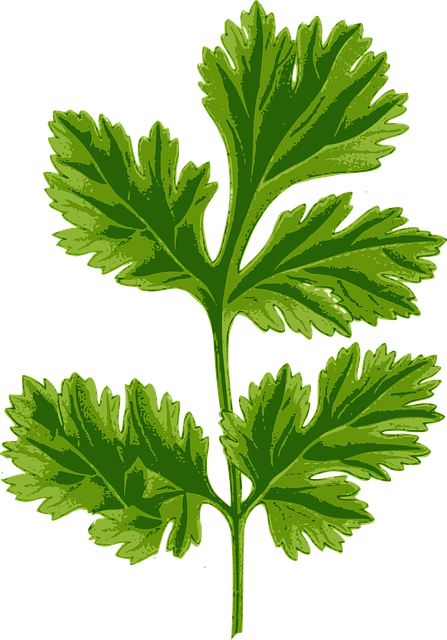
In Nepal, coriander seeds (dhaniya ko biu in Nepali) are an indispensable part of the culinary landscape and are widely used in traditional dishes. They are the dried fruits of the coriander plant, and their warm, aromatic flavor is essential in many Nepalese curries, pickles (achar), and lentil soups (dal). Coriander seeds are readily available throughout the country, often found in local markets (haat bazaars) and grocery stores. Their use extends beyond the kitchen; they also hold cultural significance in some religious and traditional practices. The seeds are a common ingredient in spice blends used by Nepalese household and restaurant alike. Due to its relative ease of cultivation, coriander is often grown in kitchen gardens across Nepal, making it a staple ingredient in Nepali households.
Nutritional info
These are the major micro nutrients found in coriander seeds
Seasonality
Coriander is typically planted in Nepal during the spring (March-April) and the harvest of the seeds generally occurs after flowering, towards the summer months and during the autumn (October-November) when they are dry and mature. In many parts of Nepal, the plant is cultivated for its leaves as well as its seeds. So the growing season can extend into the monsoon period but seeds are harvested in the later periods when plants mature after flowering. Coriander seeds are generally stored and used year-round once they are harvested and dried.
History
The history of coriander seeds in Nepal is closely tied to the broader agricultural and culinary history of the Indian subcontinent. Coriander is believed to have originated in the Mediterranean region, and it spread to Asia through trade routes centuries ago. It's likely that coriander was introduced to Nepal via trade and cultural exchange with neighboring India, where it has been cultivated and used for millennia. Over time, coriander and its seeds have become integrated into the Nepali agricultural and culinary systems. The plant is now grown extensively in Nepal, and the seeds are harvested as an essential spice. The widespread usage of coriander in traditional Nepali cooking suggests a long history of cultivation and integration into the region's food culture. The plant's ease of growth and adaptability to the Nepali climate have solidified its place in Nepalese agriculture and daily life.