
fennel seeds (सौंपको बीउ)
About fennel seeds (सौंपको बीउ)


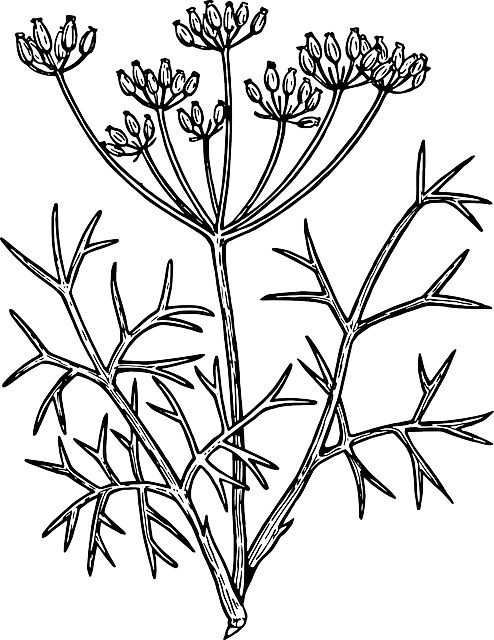
Fennel seeds, known as 'saunf' in Hindi and sometimes referred to as 'methi' (though this more accurately refers to fenugreek seeds), are a common spice in Nepal, particularly in Terai regions. They're readily available in local markets and are a staple in many Nepali households. They feature in a variety of culinary applications from flavoring vegetables and lentils to making refreshing mouth fresheners. They are also appreciated for their perceived health benefits, especially digestive.
Nutritional info
These are the major micro nutrients found in fennel seeds
Seasonality
Fennel seeds are available year-round in Nepal as they are primarily used as a dried spice rather than a fresh vegetable. While fennel plants grow in certain seasons and regions, the seeds themselves are harvested and dried, making them a shelf-stable item. It is imported during the year to meet local demand.
History
The history of fennel seeds in Nepal isn't extensively documented in historical texts. However, it's safe to assume that the use of fennel seeds arrived in Nepal through trade routes and cultural exchanges with neighboring India. The spice has been prevalent in the Indian subcontinent for centuries, and given Nepal's geographic proximity and shared traditions, fennel seeds likely made their way into Nepali cuisine and medicine quite early. It is important to note that while fennel grows in the hilly regions of Nepal it is also imported.