
fenugreek sprouts (मेथीको अंकुर)
About fenugreek sprouts (मेथीको अंकुर)


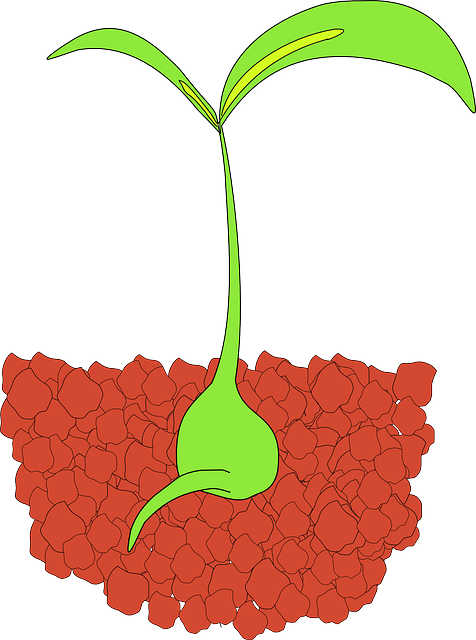
Fenugreek sprouts, known locally as 'Methi ko Tusa' in Nepal, are a less common but increasingly recognized ingredient in Nepali cuisine and traditional medicine. While the seeds are more prevalent in Nepali cooking, particularly in lentil dishes (dal) and pickles (achar), the sprouts are gaining attention for their nutritional profile and health benefits. Their slightly bitter and fresh taste makes them a unique addition to salads, stir-fries, and other dishes. With growing awareness of healthy eating, fenugreek sprouts offer an accessible and affordable way to enhance the nutritional content of a Nepali diet. It is still more common to see methi seeds used for cooking rather than its sprouts. Their consumption is more in urban areas with health conscious consumers.
Nutritional info
These are the major micro nutrients found in fenugreek sprouts
Seasonality
Fenugreek seeds are typically planted during the spring and autumn months in Nepal. As fenugreek sprouts are grown from the seeds, they are not dependent on specific weather conditions and can be produced year-round provided that sufficient water, warmth, and light are present. In practical terms, the seasonality is more about when the seeds are harvested. However, the ease of sprouting at home means their availability doesn't really reflect the agricultural seasonality, making sprouts are more consistently available throughout the year if you are preparing them at home.
History
The use of fenugreek seeds is deeply rooted in Nepal's culinary and medicinal traditions. Historically, the seeds were favored in Ayurvedic practices and used as a spice in dal, vegetables, and pickles. The practice of sprouting fenugreek seeds, however, is relatively more recent in Nepal. It's been influenced by broader trends in health-conscious cooking and the growing understanding of sprouts' nutritional benefits. While the traditional cultivation of fenugreek focused on seed production, there is a slow but gradual increase in home cultivation and consumption of sprouts, particularly in urban areas where people are seeking out more nutritious food choices. As it is not yet a traditional food, not much written history exists about its usage in Nepal.