
garlic (लसुन)
About garlic (लसुन)


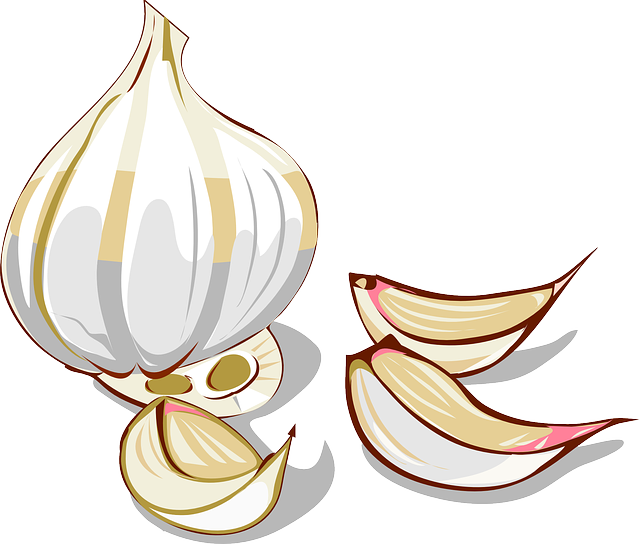
Garlic (Allium sativum), known as 'Lasun' in Nepali, is a widely cultivated and used ingredient in Nepal. It's not just a flavor enhancer in Nepali cuisine; it also holds significant medicinal value in traditional Nepali practices. From basic Dal Bhat to intricate curries, garlic provides a fundamental aromatic base and depth of flavor. Its pungent taste is a key element in many Nepali dishes. Beyond food, garlic is commonly used in traditional medicine for its perceived health benefits. It's a kitchen staple found in nearly every Nepali household and is accessible across the country, from urban centers to rural villages, though its cultivation is more concentrated in certain areas. Garlic's versatility and accessibility make it an indispensable part of the Nepali food culture.
Nutritional info
These are the major micro nutrients found in garlic
Seasonality
Garlic in Nepal is primarily a winter crop. It's usually planted in the late autumn (October-November) and harvested in the late winter and early spring (February-April). This harvest time allows farmers to plant other crops during the monsoon seasons. The availability of fresh garlic is therefore highest during the spring months. While dried garlic is available throughout the year, the peak season for fresh, locally-grown garlic is during the spring, which is when it's at its most flavorful and nutritious.
History
The history of garlic in Nepal is intertwined with its use in both cuisine and traditional medicine. While specific historical records are scarce, it's highly likely that garlic has been cultivated and consumed in Nepal for centuries, given its widespread presence in South Asia and its traditional use. Garlic would have been brought to the region along ancient trade routes, possibly from Central Asia or the Mediterranean where it originated. The cultivation of garlic likely developed organically within Nepal, adapting to local conditions and agricultural practices. Over time, it became deeply ingrained in the Nepali diet and traditional healing systems. Its versatility in food preservation and its perceived health benefits have been contributing factors to its integration into Nepali life, making it a staple crop and a valued ingredient in Nepali households. Even today it plays a significant role in both rural and urban Nepali culture.