
jackfruit (कटहर)
About jackfruit (कटहर)


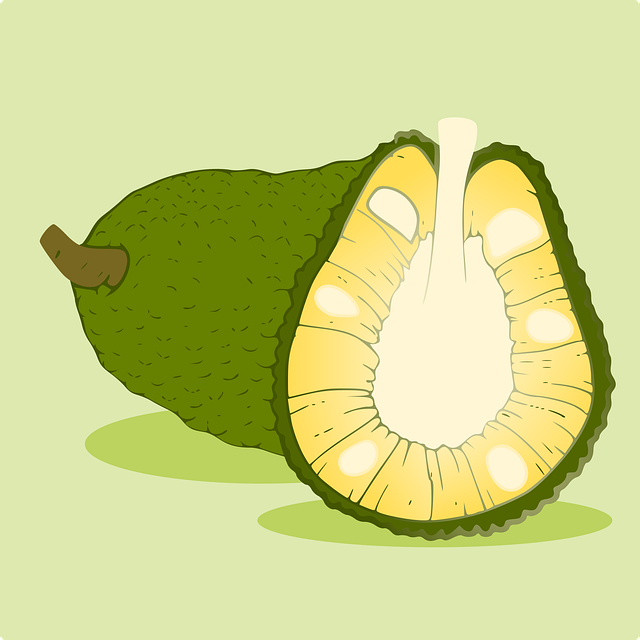
Jackfruit, known as 'Rukh Katta' in Nepali, is a tropical fruit that is gaining popularity in Nepal for its nutritional value and versatility. While not as widely cultivated as some other fruits, it's increasingly found in local markets, particularly in the Terai region where the climate is suitable for its growth. The fruit is used in various forms, from the ripe, sweet segments eaten as a snack to the unripe, cooked version used as a vegetable in savory dishes. It's a resilient crop that could contribute to food security in certain regions of Nepal. The growing awareness of its nutritional benefits, combined with its adaptability, may lead to an increase in its cultivation and consumption across the country.
Nutritional info
These are the major micro nutrients found in jackfruit
Seasonality
In Nepal, jackfruit is typically in season during the summer and rainy months, generally from late May to September. The exact timing can vary slightly depending on the specific location and altitude, with warmer lower regions seeing harvests earlier and extending longer. During this period, jackfruit can be found abundantly in local markets in the Terai region and surrounding areas.
History
The history of jackfruit in Nepal is not extensively documented, unlike in South Indian and Southeast Asian regions where it is endemic. Jackfruit likely arrived in Nepal through trade and migration. Its cultivation is not ancient in Nepal, but it has been present for generations, particularly in the southern plains where the warm, humid climate allows it to thrive. Traditional uses were primarily focused on local consumption of the fruit and seeds, but it is slowly gaining commercial importance. Although not a staple in most Nepalese diets, its increasing popularity and versatility are gradually integrating it into the local culinary landscape. In the past, it was often found in family gardens rather than large-scale farms.