
kohlrabi (गाँठ गोबी)
About kohlrabi (गाँठ गोबी)


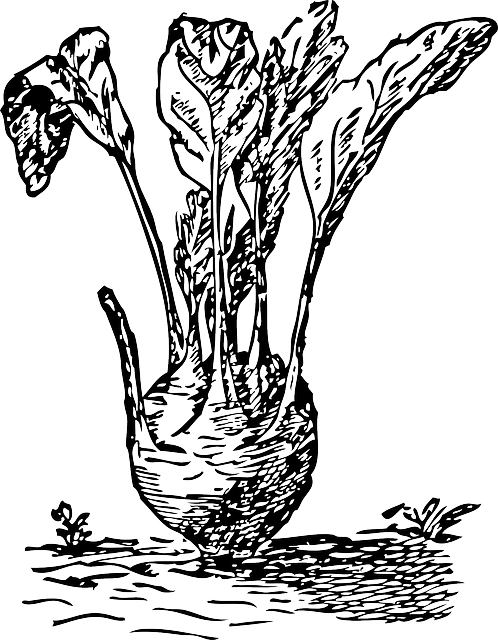
Kohlrabi, though not a staple in traditional Nepali cuisine, is gradually gaining recognition in Nepal, especially in urban areas. Its unique appearance, with a bulbous stem and leafy greens, is drawing interest. Often found in farmers' markets and occasionally in supermarkets, it's being incorporated into various dishes, reflecting a shift towards diverse vegetable options in modern Nepali diets. People are exploring kohlrabi's versatility, using it in stir-fries, curries, and salads. It's slowly making its way into Nepali kitchens as a nutritious and interesting vegetable option. The slight peppery taste and crisp texture of kohlrabi are being appreciated by those seeking new flavors. Furthermore, as awareness of global cuisines increases, so does the experimentation with non-traditional Nepali vegetables.
Nutritional info
These are the major micro nutrients found in kohlrabi
Seasonality
Kohlrabi in Nepal is typically a cool-season crop. It is usually available during the late fall and winter months, roughly from October to February. This corresponds with the cooler temperatures in the hilly and terai regions of Nepal, where it is most commonly grown. Availability might vary slightly depending on specific location and altitude but the core growing period is within these months. It can also be found in some market into early spring but the yield and quality may be lower.
History
The history of kohlrabi in Nepal is not deeply rooted like some other indigenous vegetables. It's likely that kohlrabi was introduced relatively recently, possibly through agricultural exchanges or as part of the diversification of crop varieties. There's no significant historical record indicating its presence in ancient Nepali farming practices or traditional cooking. It's not considered a traditional Nepali vegetable and does not feature prominently in Nepali folk tales or historical documents. As a result, the cultivation and consumption of kohlrabi in Nepal is still at an early stage, with its introduction being primarily driven by modern agricultural and dietary trends.