
lettuce (लट्टे)
About lettuce (लट्टे)


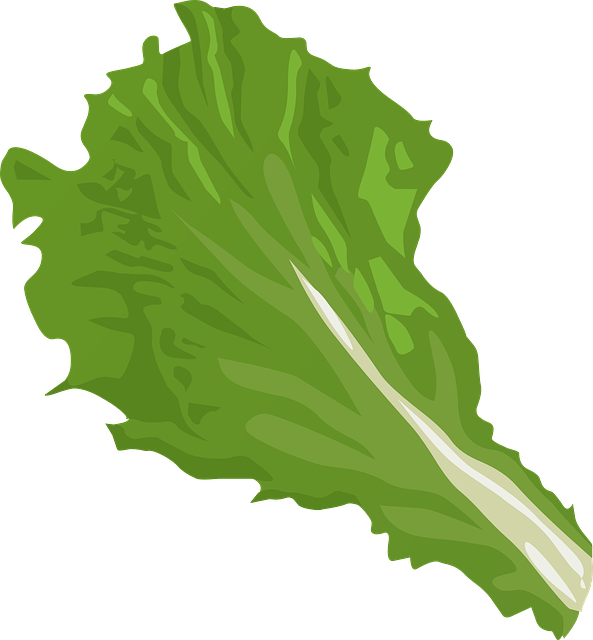
Lettuce, though not a staple in traditional Nepali cuisine, is gaining popularity in Nepal, particularly in urban areas. Its crisp texture and mild flavor make it a refreshing addition to salads and various continental dishes, which are becoming increasingly common. Due to increasing awareness of health and international culinary trends, lettuce is now readily available in many supermarkets and local markets, catering to a growing demand from health-conscious individuals and restaurants offering a diverse menu. It is often seen incorporated into newer Nepali fusion foods as well.
Nutritional info
These are the major micro nutrients found in lettuce
Seasonality
Lettuce can be grown and is available in Nepal for a significant portion of the year, thanks to the country's diverse climate zones. However, it thrives best in cooler temperatures, making it more abundant during the following periods: * **Spring (February to May):** A good time for lettuce cultivation and harvesting in many parts of Nepal. * **Autumn (September to November):** The ideal season for growing lettuce due to the cooler and milder climate. During the hot summer months and the cold winter months, supply might be lower or require more controlled greenhouse farming, and prices can fluctuate accordingly.
History
Lettuce is not a native crop to Nepal. Its introduction likely occurred more recently with the increase in globalization and international trade. While the traditional Nepali diet heavily relies on rice, lentils, and locally grown vegetables, the consumption of lettuce has gradually increased. There isn’t a strong historical context of lettuce cultivation or usage in traditional Nepali cooking compared to other greens like mustard leaves or spinach. However, the adoption of international culinary practices has prompted its integration into the Nepali market, and to some extent, modern Nepali households and gastronomy.