
mustard seeds (तोरीको बीउ)
About mustard seeds (तोरीको बीउ)


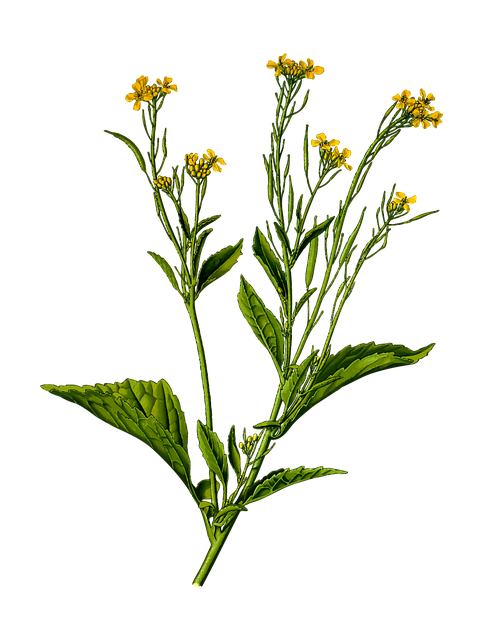
Mustard seeds, known as 'Rayo ko biu' in Nepali, hold a significant place in Nepalese cuisine and agriculture. Mustard is widely cultivated in Nepal, especially in the hilly and Terai regions. The seeds are not only used as a spice but are also a primary source of edible oil. The oil, extracted using traditional and modern methods, is extensively used in Nepali cooking, adding a distinctive pungent flavor. Mustard greens (rayo ko saag) are also a popular vegetable in the country, often cooked as a side dish or included in mixed greens. From the humble household kitchen to larger agricultural practices, mustard plants and seeds are essential to Nepal's food culture and economy. The plant's adaptability to diverse Nepalese climates and the ease of processing its products further solidify its presence in the Nepali landscape.
Nutritional info
These are the major micro nutrients found in mustard seeds
Seasonality
The seasonality of mustard in Nepal is primarily driven by its cultivation cycle. Generally, mustard is planted in the late fall or early winter, typically around October/November, as a winter crop. It thrives in the cool, dry weather conditions. The crop is harvested in the late winter to early spring, around February/March, depending on the specific region and weather. This harvest time is when mustard seeds are processed for oil and spices. The consumption of mustard greens usually coincides with the cultivation period from late fall to spring. The availability of fresh mustard greens, particularly, is highest during the winter months. The seasonality means that there may be variations in the price and availability of mustard-related products throughout the year.
History
Mustard cultivation and utilization have deep roots in Nepal's history. It is believed that mustard plants have been cultivated in the region for centuries, possibly introduced through trade and migration routes from neighboring South Asian countries. Historically, mustard seeds and mustard oil were essential commodities for rural Nepali communities. In times of food scarcity, mustard oil served as a vital source of calories. Traditional extraction methods, such as using a wooden press (kol) powered by animals, were commonplace. Over generations, the knowledge of cultivating and processing mustard has been passed down, strengthening the plant’s position in Nepali food culture. With technological advancements, small and large-scale oil mills have emerged in various Nepali regions, yet traditional practices often exist in tandem.