
poppy seeds (खुसखुस)
About poppy seeds (खुसखुस)


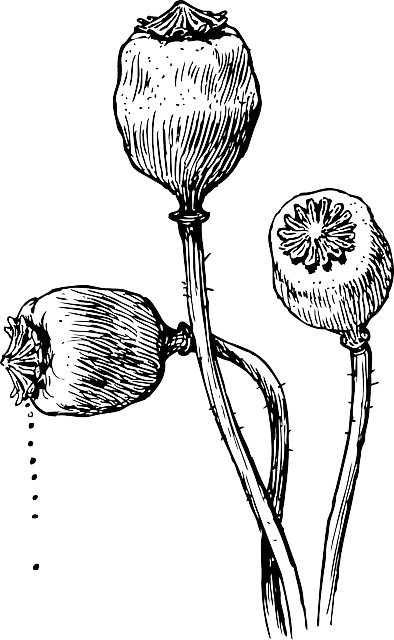
In Nepal, poppy seeds, locally known as 'khus khus' or 'afim ko biu', are not a staple food but hold a modest place in the culinary and traditional practices. They are primarily used as a spice or flavoring agent in certain dishes. While not as common as other spices in everyday Nepali cooking, poppy seeds are valued for their distinct nutty flavor and are sometimes incorporated into sweet treats and savory dishes, particularly in Newari cuisine. The cultivation of opium poppy for seeds is very limited and highly regulated in Nepal due to its potential for opium production. The emphasis here is generally more on utilizing imported seeds than locally cultivated ones.
Nutritional info
These are the major micro nutrients found in poppy seeds
Seasonality
Poppy seeds are not directly a seasonal crop in Nepal in the sense that they are not widely grown locally. Instead, they are primarily imported and thus available year-round. The availability may depend on import supply chains but there is not a specific seasonality to their use in Nepali cuisine. The imported seeds are available throughout the year in local markets. Therefore, the usage in Nepal is not tied to local agricultural seasons but to the demand and availability in the market.
History
The history of poppy seeds in Nepal is closely intertwined with the history of opium poppy cultivation and trade. Historically, the cultivation of opium poppies has been a complex issue in Nepal. While small-scale poppy cultivation may have existed for centuries, its primary purpose was not for seed production but for opium, and it was often restricted due to its potential for misuse. Therefore, the use of poppy seeds in Nepali cuisine is likely an outcome of trade and availability from outside the country. Unlike some other regions where poppy seeds are a staple, their role in Nepal is relatively recent and more focused on flavor than subsistence. Traditional Nepali recipes don't heavily feature poppy seeds as a primary ingredient, indicating its more recent adoption in the local culinary landscape. The regulatory aspect also plays a big part in the cultivation history, as the Nepal government has laws about growing poppies due to concerns about drug trafficking.