
spinach (पालुङ्गो)
About spinach (पालुङ्गो)


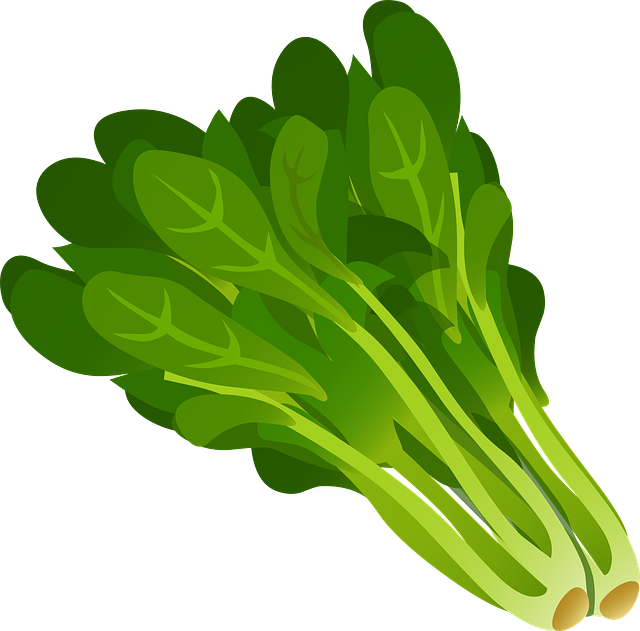
Spinach, locally known as 'Palungo' in Nepali, is a widely cultivated and consumed leafy green vegetable in Nepal. It's a staple in many Nepali households, often grown in kitchen gardens and on small farms across the country. Spinach is valued for its nutritional benefits and its versatility in cooking, featuring prominently in various traditional dishes. It's readily available in local markets and supermarkets throughout Nepal. It is commonly eaten as a cooked vegetable with rice, added to lentil soups or curries, and is also sometimes enjoyed raw in salads depending on the specific regional practices within Nepal.
Nutritional info
These are the major micro nutrients found in spinach
Seasonality
Spinach is generally a cool-season crop in Nepal and is available during the late fall, winter, and early spring months. The peak season typically falls from October to April when the weather is cooler and less humid, facilitating ideal growing conditions. However, with modern farming techniques, it may be available in limited quantities outside of the peak seasons in certain regions. Spinach is also grown in higher altitudes and in specific locations throughout the country to extend its availability.
History
The history of spinach in Nepal isn't well-documented with specific dates or events. However, its cultivation and consumption in Nepal likely spread through trade routes and cultural exchanges over time. As a leafy green that thrives in various climates, spinach adapted well to the varied terrains of Nepal. It's likely that it became integrated into Nepali cuisine gradually, becoming part of the daily diet for many communities. Its easy availability and adaptability have made it a commonly accepted and popular vegetable in Nepal for generations.