
sugarcane (उखु)
About sugarcane (उखु)


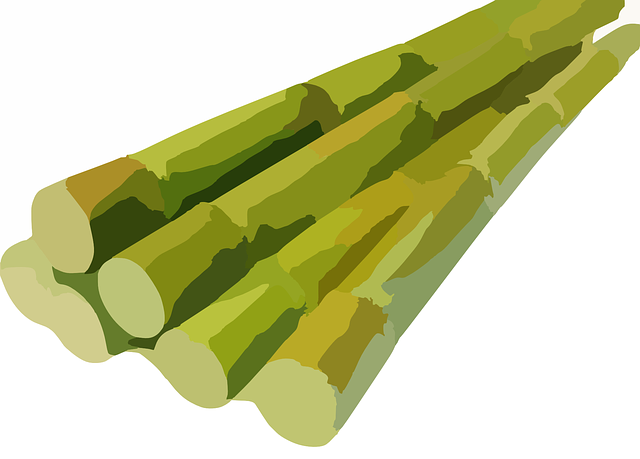
Sugarcane (Saccharum officinarum) holds a significant place in Nepal, particularly in the Terai region, where it is widely cultivated. The warm, humid climate and fertile alluvial soil of the Terai are ideal for sugarcane growth. It is more than just a crop; it's a part of the rural landscape and an important economic contributor, providing livelihoods through farming and related industries such as sugar mills and jaggery production. It is commonly consumed as raw stalk and juice. The use of sugarcane is deeply integrated into local traditions and cuisine. It's juice is a popular refreshing drink, especially during hot summer months, and raw cane is often chewed and relished. Moreover, sugarcane is an important ingredient in various religious rituals and festivals in Nepal. Therefore, it serves both as a commercial crop and a cultural food in the country.
Nutritional info
These are the major micro nutrients found in sugarcane
Seasonality
Sugarcane in Nepal is primarily a winter crop, with the main growing season spanning from late winter to summer. Planting typically takes place between February and April, and harvesting begins from late autumn to the middle of winter (around November to January). The harvest season often follows the festival of Tihar. It is during this harvest season that sugarcane is abundant, and the fresh juice and raw cane are widely available in local markets.
History
The history of sugarcane cultivation in Nepal is deeply rooted in the agricultural practices of the Terai region. While the exact timeline of its introduction is not definitively documented, it is believed that sugarcane has been cultivated in Nepal for many centuries, likely introduced through trade routes and migration from neighboring India, where sugarcane farming has ancient roots. Over time, sugarcane farming has become well-established, evolving into a major agro-industry, particularly after the industrial revolution where the need of sugar increased. Traditionally, sugarcane was processed locally to make jaggery (gur) a type of unrefined sugar. However, with the growth of modern processing techniques, various sugar mills have been established in the Terai region, marking the transition from small-scale jaggery production to large scale production of refined sugar. In recent years, there has been an effort to enhance sugarcane yields and improve its processing technology in Nepal, aimed at strengthening the agricultural sector and the national economy.