
venison (मृगको मासु)
About venison (मृगको मासु)


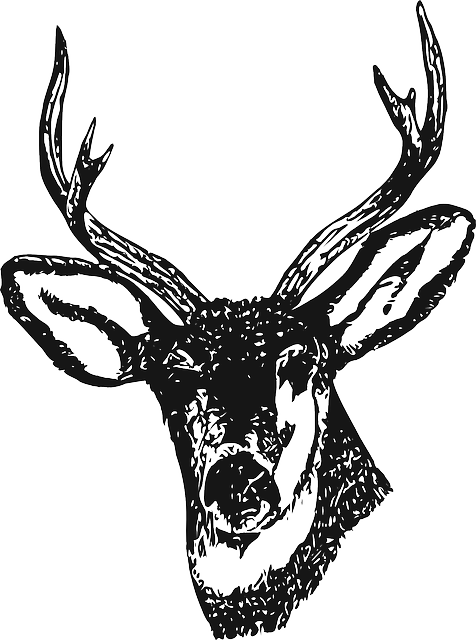
Venison, the meat from deer, holds a unique place in the culinary landscape of Nepal. While not as widely consumed or commercially available as chicken, buffalo, or goat, it is a significant part of the diet for certain ethnic groups, particularly those living in or near forested areas. The availability and consumption of venison are closely linked to traditional hunting practices and cultural norms. In Nepal, deer populations are found across diverse ecosystems, from the foothills of the Himalayas to the Terai plains, and their meat is valued for its lean protein content and distinct flavour. However, hunting regulations and conservation efforts are increasingly shaping how venison is accessed and consumed in the country. Despite its limited commercial presence, venison remains a significant food source with cultural importance, especially in rural areas of Nepal.
Nutritional info
These are the major micro nutrients found in venison
Seasonality
The seasonality of venison in Nepal is primarily tied to hunting regulations and natural breeding cycles of deer. The traditional hunting season, where permitted, would often align with periods when deer populations are at their peak, usually after the breeding season and before the winter months, typically during autumn. However, given the increasing concern towards wildlife conservation, hunting regulations have become more strict and hunting may not be permitted at all in certain areas or during certain periods. Hence, the availability of venison in Nepal is inconsistent and mostly limited to specific times of the year and specific locations, depending on legal hunting practices and natural deer population availability.
History
The history of venison consumption in Nepal is interwoven with the country's ecological and cultural tapestry. For centuries, indigenous communities and various ethnic groups across Nepal have relied on hunting for sustenance, with deer being a significant game animal. In areas where agriculture was less reliable, or where populations lived in close proximity to forests, venison became a crucial part of the traditional diet. The knowledge of hunting techniques, the proper preparation of venison, and its cultural significance have been passed down through generations. Historically, there were few restrictions on hunting, however, over time, with growing environmental awareness and concern for wildlife conservation, hunting practices have become more regulated. Nowadays, while the consumption of venison is still prevalent in certain rural areas of Nepal, it is less frequent due to protective regulations and the availability of alternatives.