
wild mushrooms (च्याउ)
About wild mushrooms (च्याउ)


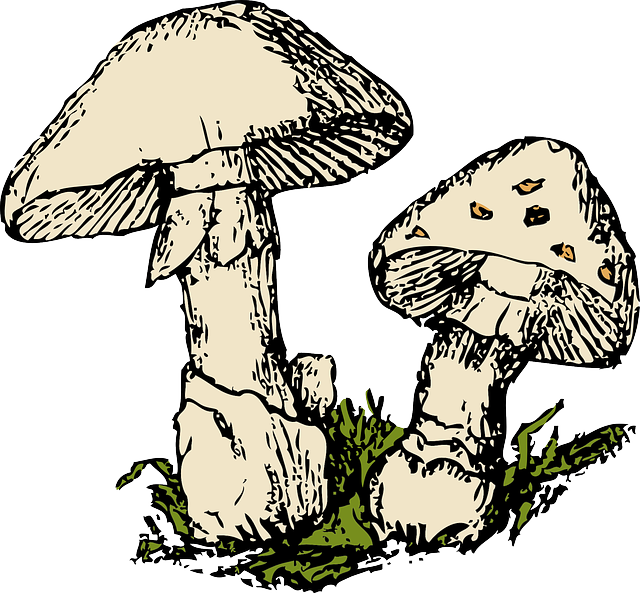
Wild mushrooms hold a significant place in the culinary traditions and livelihoods of many communities in Nepal, particularly in rural and forested areas. Nepal's diverse ecosystems, ranging from subtropical lowlands to high-altitude alpine regions, support a rich variety of wild mushroom species. These mushrooms are not only an important source of food, especially for communities with limited access to other protein sources, but also play a role in local economies as they are gathered for both personal consumption and sale in local markets. The collection of wild mushrooms is a seasonal activity often embedded in cultural practices and traditional knowledge passed down through generations. Many rural Nepalese people have extensive knowledge of local edible mushrooms, their habitats, and how to identify them safely. However, there is a significant risk of poisoning from consuming misidentified toxic mushrooms, which highlights the need for caution and education. Mushrooms have been consumed for generations and are considered a delicacy in some regions of Nepal. They are used in various traditional dishes, adding distinct earthy flavors and textures to local cuisine.
Nutritional info
These are the major micro nutrients found in wild mushrooms
Seasonality
The seasonality of wild mushrooms in Nepal is strongly influenced by the monsoon season. The majority of edible wild mushrooms appear during and just after the monsoon rains, which typically fall between June and September. The exact timing and duration of the mushroom season can vary depending on factors such as altitude, local weather patterns, and specific mushroom species. In lower altitudes, some mushrooms may appear earlier in the season. Whereas in higher elevations, the mushroom season may start a bit later and last shorter period. In general, the months of July and August are the peak of mushroom harvesting for most species. This makes them a seasonal delicacy that is highly anticipated in many Nepali communities. This also makes it a highly variable supply of food. It is available mostly during these 3-4 months and very scarce at other times of year.
History
The consumption of wild mushrooms in Nepal has a long and intertwined history with its rural communities and forest-dependent people. Historical evidence suggests that mushroom foraging and consumption are traditions that have been practiced for centuries, passed down through families and communities. They have been a significant food source, especially in areas where agriculture may be challenging or during times of food scarcity. The knowledge surrounding the identification and uses of specific mushrooms has been culturally preserved and transferred through oral traditions. Historically, mushrooms were not only an important part of the diet but were also used in traditional medicine. Certain species have been identified as having specific medicinal properties. In the past, the sale of wild mushrooms in local markets was an important source of income for families during the monsoon season when many edible species are most abundant. While a small-scale practice, the gathering and sale of wild mushrooms has been crucial for many of the rural communities' livelihoods. As development and urbanization advance, traditional knowledge surrounding mushroom foraging has begun to decline in some regions, threatening the continuity of this tradition. This also puts the rural populations at risk as fewer people possess the knowledge to differentiate edible from poisonous mushrooms.